Kucoin Review 2026 Fees Safety Features

FTC Disclosure: This article contains affiliate links. We may earn a commission if you purchase through these links at no additional cost to you. Our reviews are based on thorough research and real-world experience.
Key Takeaways
- KuCoin offers competitive trading fees starting at 0.1% but hidden costs emerge through withdrawal fees and spread markups
- Security improvements in 2026 include enhanced KYC verification and cold storage protocols, though past incidents remain concerning
- Advanced trading features excel for derivatives and futures, but the interface overwhelms complete beginners
- Regulatory compliance varies by jurisdiction, creating potential access issues for US and restricted territory users
- Customer support quality remains inconsistent, with response times varying significantly during high-volume periods
Is KuCoin's Fee Structure Actually Competitive in 2026's Market?
KuCoin's fee structure appears competitive on the surface, but the reality proves more complex when you examine your actual trading workflow. The exchange charges 0.1% for both maker and taker orders on spot trading, positioning itself competitively against major platforms. However, your real costs extend beyond these headline numbers.
Withdrawal fees present the first surprise. Moving Bitcoin costs 0.0005 BTC (approximately $20-30 depending on market conditions), while Ethereum withdrawals run 0.01 ETH (roughly $20-40). These fees accumulate quickly if you frequently move funds between platforms or to cold storage.
The trading fee discount system works through KCS token holdings, offering up to 20% reduction. You need 1,000 KCS tokens for the maximum discount, requiring a significant commitment to the platform's native token. This creates an interesting dynamic where your fee optimization depends on maintaining exposure to KCS price volatility.
| Trading Volume (30 Days) | Standard Fee | With KCS Discount | VIP Level |
|---|---|---|---|
| $0 - $50,000 | 0.1% / 0.1% | 0.08% / 0.08% | VIP 0 |
| $50,000 - $200,000 | 0.09% / 0.1% | 0.072% / 0.08% | VIP 1 |
| $200,000 - $500,000 | 0.08% / 0.1% | 0.064% / 0.08% | VIP 2 |
| $500,000+ | 0.07% / 0.09% | 0.056% / 0.072% | VIP 3+ |
Futures trading fees start at 0.02% for makers and 0.06% for takers, making KuCoin competitive in the derivatives space. The funding rates typically range from -0.01% to 0.01% every eight hours, which remains standard across the industry.
Margin trading introduces additional complexity with daily interest rates varying by asset. Bitcoin margin borrowing costs approximately 0.02% daily, while smaller altcoins can reach 0.1% daily rates. These costs compound quickly for longer-term positions.
When comparing total cost of ownership, platforms like Bybit and OKX offer more transparent fee structures without requiring native token holdings for optimal rates. However, KuCoin's extensive altcoin selection often justifies the slightly higher costs for traders seeking access to emerging projects.
How Secure Is KuCoin After Recent Platform Improvements?
KuCoin's security posture in 2026 reflects significant improvements following past incidents, though concerns remain about the platform's overall approach to user asset protection. The exchange implemented enhanced security measures after experiencing a major hack in September 2020 that resulted in approximately $281 million in losses.
The current security framework includes several layers of protection. Cold storage now holds approximately 95% of user funds, with hot wallets maintaining only the minimum necessary for daily operations. Multi-signature wallets protect these cold storage reserves, requiring multiple key holders to authorize any movement of funds.
Two-factor authentication (2FA) becomes mandatory for all accounts, with support for Google Authenticator, SMS, and email verification. The platform also introduced trading password requirements separate from login credentials, adding an extra barrier for unauthorized access.
KYC verification procedures strengthened considerably in 2026. Basic verification requires government-issued ID and proof of address, while higher verification levels demand additional documentation for increased withdrawal limits. This enhanced verification process helps prevent unauthorized account access but creates friction for users seeking quick account setup.
The platform's insurance fund provides some protection against potential losses, though details about coverage limits remain vague. KuCoin claims to maintain reserves to cover potential security incidents, but the exact amount and coverage scope aren't publicly disclosed.
Withdrawal security measures include address whitelisting, which requires 24-hour confirmation periods for new addresses. This feature prevents immediate fund drainage if an account becomes compromised, though it creates inconvenience for legitimate users making urgent transfers.
Anti-phishing codes help users identify legitimate communications from KuCoin, though this relies on user vigilance to check these codes consistently. The platform also monitors for suspicious login attempts and trading patterns, automatically triggering security reviews when anomalies occur.
However, regulatory uncertainty continues to pose risks. KuCoin operates without clear regulatory oversight in many jurisdictions, potentially exposing users to regulatory changes that could affect fund access or platform operations.
For users prioritizing maximum security, hardware wallet integration provides additional protection by keeping private keys offline, regardless of exchange security measures.
Does KuCoin's Trading Interface Support Your Workflow Efficiently?
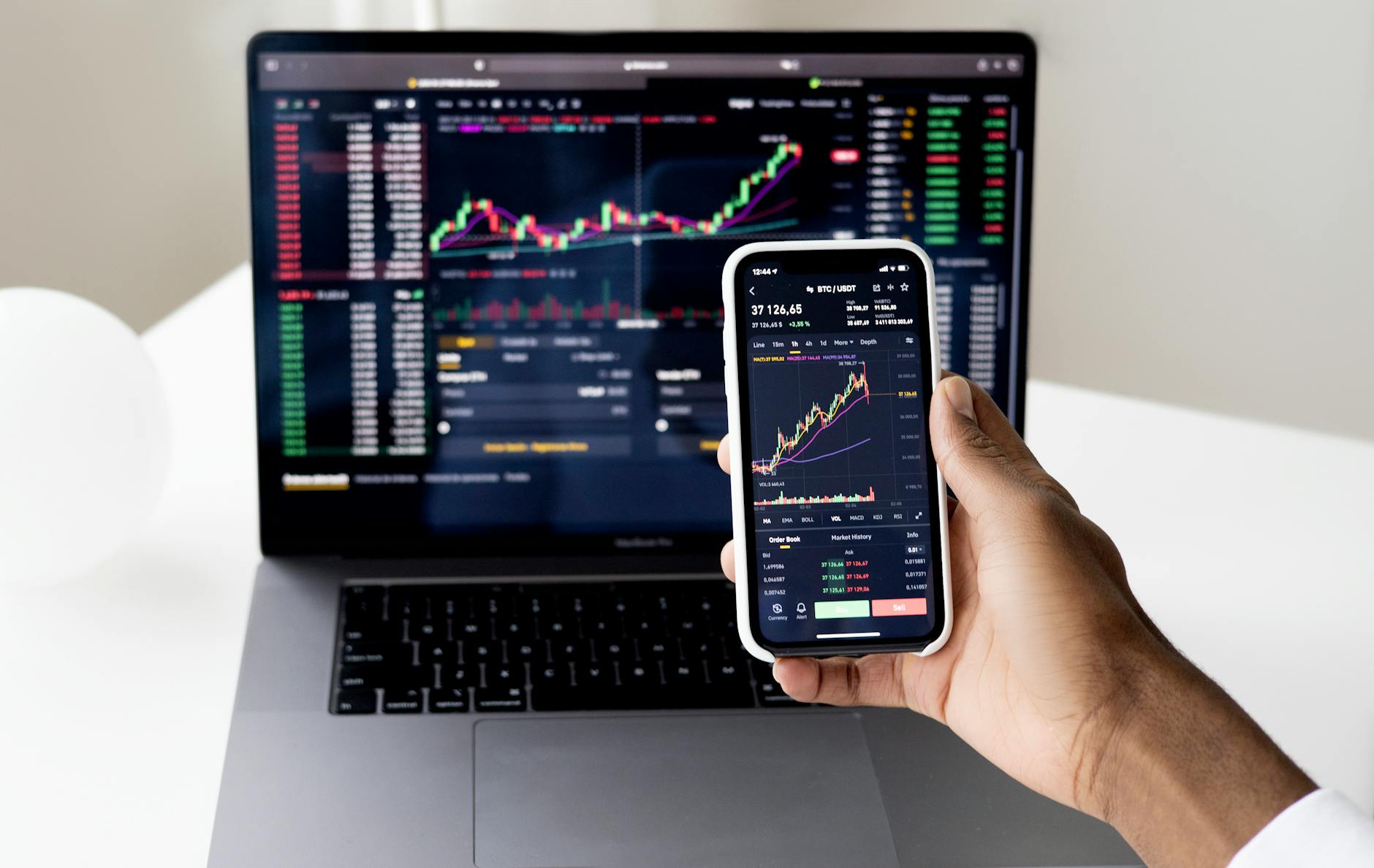
KuCoin's trading interface attempts to serve both beginners and advanced traders, creating a complex environment that excels in some areas while frustrating users in others. The platform offers multiple interface options, but the learning curve remains steep for newcomers.
The basic trading view provides essential functionality with buy/sell panels, order book display, and basic charting tools. However, even this "simplified" interface presents overwhelming information density for complete beginners. Price movements, order books, and trading pairs crowd the screen without clear visual hierarchy.
Advanced traders benefit from comprehensive charting tools powered by TradingView integration. Technical indicators, drawing tools, and multiple timeframe analysis support sophisticated trading strategies. The depth chart and order book provide real-time market insight crucial for timing entries and exits.
Order types include market, limit, stop-limit, and OCO (One-Cancels-Other) orders. Advanced order options support complex trading strategies, though the interface doesn't clearly explain how each order type functions. This creates potential for costly mistakes when users select inappropriate order types.
The mobile application maintains most desktop functionality while adapting to smaller screens effectively. Push notifications for price alerts, order fills, and account security work reliably. However, complex order entry becomes cumbersome on mobile devices, making it better suited for monitoring than active trading.
Portfolio tracking displays holdings across spot, margin, and futures accounts, though switching between account types requires multiple clicks. The overview lacks integrated profit/loss tracking, forcing users to calculate performance manually or rely on third-party tools.
Speed performance varies significantly during high-volume periods. Order execution typically completes within seconds during normal market conditions, but delays increase during extreme volatility when you need reliability most. Server stability improved in 2026, though occasional outages still occur during major market events.
The trading terminal's customization options allow rearranging panels and adjusting chart settings, but these preferences don't sync across devices. This forces users to reconfigure their setup when switching between desktop and mobile platforms.
API access supports algorithmic trading and portfolio management tools, with comprehensive documentation and multiple programming language examples. Rate limits prevent excessive requests while allowing legitimate automated trading strategies.
For traders seeking more intuitive interfaces, platforms like Kraken Pro or Gemini ActiveTrader offer cleaner designs with better user experience flows, though they may lack KuCoin's extensive altcoin selection.
What Trading Features Actually Matter for Your Strategy?
KuCoin's trading feature set spans spot trading, margin trading, futures contracts, and options, but the practical value depends entirely on your specific trading approach and risk tolerance. Understanding which features align with your strategy prevents overcomplication while ensuring you have necessary tools.
Spot trading forms the foundation for most users, offering direct cryptocurrency purchases with immediate settlement. KuCoin supports over 700 trading pairs, including many altcoins unavailable on major exchanges. This extensive selection attracts traders seeking early access to emerging projects, though it also increases exposure to highly volatile and potentially worthless tokens.
Margin trading allows leveraged positions up to 10x on selected pairs, amplifying both potential profits and losses. The cross-margin and isolated margin options provide different risk management approaches. Cross-margin uses your entire account balance as collateral, while isolated margin limits risk to specific position sizes. Most traders should start with isolated margin to prevent account liquidation from single position failures.
Futures contracts support leverage up to 100x on major cryptocurrencies, though such extreme leverage creates substantial liquidation risk. The perpetual contracts track underlying asset prices through funding rate mechanisms, while quarterly contracts have fixed expiration dates. Funding rates typically remain reasonable during normal market conditions but can spike during extreme volatility.
Options trading provides advanced risk management and income generation strategies, though the complexity requires significant knowledge to use effectively. Call and put options allow hedging existing positions or generating income through covered call strategies. However, options liquidity remains limited compared to futures markets, potentially creating execution challenges.
Copy trading features enable following successful traders' strategies automatically, appealing to beginners who lack trading experience. The platform displays trader performance statistics, though past performance doesn't guarantee future results. Copy trading fees typically range from 5-20% of profits, reducing overall returns.
Lending services allow earning interest on idle cryptocurrency holdings, with rates varying by asset and market conditions. Bitcoin lending typically yields 1-5% annually, while smaller altcoins may offer higher rates alongside increased risk. Lending terms range from flexible (withdraw anytime) to fixed periods with higher rates.
Staking services support proof-of-stake cryptocurrencies, enabling passive income generation. KuCoin handles the technical complexity of staking while taking a percentage of rewards. Staking rewards vary by network, with Ethereum offering approximately 4-6% annually and newer networks potentially providing higher yields with increased risk.
The trading bot marketplace offers automated strategies for various market conditions, though bot performance varies significantly. Grid trading bots work well in sideways markets, while DCA (Dollar Cost Averaging) bots suit long-term accumulation strategies. Bot fees and performance tracking require careful evaluation before deployment.
For traders focused on specific strategies, specialized platforms may provide better execution. Derivatives-focused exchanges like Hyperliquid offer superior futures trading tools, while DeFi platforms provide more competitive lending rates for supported assets.
How Does KuCoin Handle Regulatory Compliance and User Access?
KuCoin's regulatory approach reflects the complex landscape of cryptocurrency regulation in 2026, with compliance varying significantly by jurisdiction and creating potential access issues for users in restricted territories. The exchange operates without comprehensive regulatory approval in many major markets, relying instead on a distributed global structure.
United States users face significant restrictions, with KuCoin officially prohibiting access from US IP addresses since 2021. However, the platform doesn't implement robust geoblocking, allowing determined users to access services through VPNs. This creates legal gray areas where users may violate terms of service or local regulations without clear enforcement mechanisms.
European Union users experience mixed access depending on specific country regulations. KuCoin maintains operations in several EU jurisdictions while restricting access in others. The platform's compliance with MiCA (Markets in Crypto-Assets) regulations remains incomplete, potentially affecting future EU market access.
Know Your Customer (KYC) requirements vary by account level and withdrawal limits. Basic accounts allow trading with minimal verification, while higher limits require comprehensive identity verification including government ID, proof of address, and source of funds documentation. This tiered approach balances regulatory compliance with user accessibility.
Anti-Money Laundering (AML) procedures include transaction monitoring and suspicious activity reporting, though the effectiveness varies by jurisdiction. Large transactions trigger additional scrutiny, potentially causing delays for legitimate users. The platform maintains transaction records for regulatory reporting but doesn't always communicate requirements clearly to users.
Tax reporting support remains limited, with KuCoin providing basic transaction history but not comprehensive tax documents. Users must compile trading data manually or use third-party services for tax compliance. This creates additional complexity for users in jurisdictions with strict cryptocurrency tax reporting requirements.
Banking relationships affect fiat currency support, with KuCoin offering limited direct fiat onramps compared to fully regulated exchanges. Credit card purchases work through third-party processors with higher fees, while bank transfers remain unavailable in many regions. This forces users to rely on cryptocurrency deposits from other platforms.
Regulatory changes pose ongoing risks to platform access and functionality. Government crackdowns in major markets could restrict KuCoin operations with little warning, potentially affecting user fund access. The platform's distributed structure provides some protection but doesn't eliminate regulatory risks entirely.
For users in restricted jurisdictions seeking compliant alternatives, regulated exchanges like Kraken or Gemini provide clearer legal frameworks, though with more limited altcoin selection and potentially higher fees.
What's the Real Customer Support Experience Like?
KuCoin's customer support quality varies dramatically depending on issue complexity and timing, creating frustrating experiences for users facing urgent problems while providing adequate service for routine inquiries. The support system relies heavily on automated responses and community resources before escalating to human agents.
Response times fluctuate significantly based on market conditions and platform usage. During normal periods, initial responses typically arrive within 24-48 hours for standard inquiries. However, during high-volatility periods or platform issues, response times can extend to several days or even weeks for complex problems.
The ticketing system categorizes issues by priority, with account security and fund access receiving faster attention than general trading questions. However, the automated categorization sometimes misclassifies urgent issues, causing delays when users need immediate assistance for time-sensitive problems.
Live chat support operates during limited hours and primarily handles basic account questions. Complex technical issues or fund recovery requests require email support with longer response times. The chat agents often lack authority to resolve significant problems, creating frustrating handoffs between support channels.
Language support covers multiple languages, though English and Chinese receive the most comprehensive assistance. Users communicating in other languages may experience longer response times and less detailed explanations, particularly for technical issues requiring precise communication.
The knowledge base provides extensive documentation covering common issues, trading guides, and platform features. However, the information often lacks detail for advanced features, and updates lag behind platform changes. Users frequently find outdated information that doesn't reflect current interface designs or procedures.
Community support through Telegram and Discord channels provides faster responses for common questions, though unofficial advice may contain errors. Community moderators can escalate urgent issues to official support, but this informal process lacks consistency and accountability.
Escalation procedures for unresolved issues remain unclear, with no obvious path for users dissatisfied with initial support responses. The platform lacks executive support contacts or formal complaint resolution processes, leaving users with limited recourse for persistent problems.
Account recovery assistance for compromised or inaccessible accounts requires extensive documentation and verification, often taking weeks to resolve. Users must provide original registration information, transaction history, and identity verification, creating challenges for users with incomplete records.
Refund and dispute resolution processes favor the platform, with limited options for users experiencing technical issues or unauthorized transactions. The terms of service place significant responsibility on users to protect their accounts and verify transactions before submission.
For users prioritizing responsive customer support, exchanges like Kraken offer more consistent response times and clearer escalation procedures, though potentially with higher fees and more limited features.
How Do KuCoin's Advanced Features Compare to Alternatives?
KuCoin's advanced feature set positions it as a comprehensive trading platform, but the execution quality and user experience vary significantly compared to specialized alternatives. The platform attempts to provide everything from basic spot trading to complex derivatives, creating both opportunities and complications for different user types.
Derivatives trading capabilities include perpetual futures, quarterly contracts, and options across major cryptocurrencies. The futures platform supports up to 100x leverage with reasonable funding rates during normal market conditions. However, the interface complexity and risk management tools lag behind specialized derivatives platforms that focus exclusively on professional trading.
The lending and borrowing marketplace offers competitive rates for major cryptocurrencies, with flexible terms and automated matching between lenders and borrowers. Interest rates fluctuate based on supply and demand, typically providing better returns than traditional savings accounts while carrying cryptocurrency-specific risks.
Staking services cover numerous proof-of-stake cryptocurrencies with competitive reward rates and simplified management. KuCoin handles the technical complexity of staking while taking a percentage of rewards as fees. The service works well for users seeking passive income without managing validator nodes directly.
Copy trading features allow following successful traders automatically, with performance statistics and risk metrics displayed for each trader. The system works reasonably well for beginners, though the trader selection process requires careful evaluation and the fee structure can significantly impact returns.
Trading bots provide automated strategies for various market conditions, including grid trading, DCA, and arbitrage bots. The bot marketplace offers both free and premium options, though performance varies significantly and requires ongoing monitoring and adjustment.
NFT marketplace integration allows trading digital collectibles alongside cryptocurrencies, though the selection and liquidity remain limited compared to dedicated NFT platforms. The integration provides convenience for users already active on KuCoin but doesn't offer compelling advantages over specialized NFT marketplaces.
API access supports algorithmic trading with comprehensive documentation and reasonable rate limits. The API reliability improved in 2026, though occasional outages during high-volatility periods still occur. Professional traders can implement sophisticated strategies, though the API features lag behind some specialized platforms.
Mobile application functionality mirrors most desktop features while maintaining reasonable performance on modern devices. Push notifications work reliably for price alerts and account security, though complex trading operations remain cumbersome on small screens.
When compared to specialized alternatives, KuCoin's breadth comes at the cost of depth in specific areas. OKX offers superior derivatives trading tools, while dedicated DeFi platforms provide better lending rates and more sophisticated yield farming opportunities.
What Are the Hidden Costs and Limitations?
Beyond KuCoin's advertised trading fees, several hidden costs and operational limitations can significantly impact your overall trading experience and profitability. Understanding these factors helps set realistic expectations and avoid unwelcome surprises during active trading periods.
Spread markups on less liquid trading pairs create hidden costs that don't appear in the fee schedule. While major pairs like BTC/USDT maintain tight spreads, smaller altcoins can have spreads of 1-3% between bid and ask prices. This effectively doubles or triples your trading costs compared to the stated 0.1% fee.
Withdrawal fees vary significantly by cryptocurrency and can change without notice during network congestion. Bitcoin withdrawals cost approximately 0.0005 BTC, while Ethereum withdrawals require 0.01 ETH. These fees remain fixed regardless of withdrawal amount, making small withdrawals particularly expensive on a percentage basis.
Funding rates for perpetual futures contracts can create ongoing costs for leveraged positions. While rates typically remain reasonable at ±0.01% every eight hours, they can spike to 0.1% or higher during extreme market conditions. These costs compound quickly for longer-term leveraged positions.
Inactivity fees apply to accounts with no trading activity for extended periods, though the specific timeframes and fee amounts aren't clearly communicated. Users maintaining long-term holdings without active trading may face unexpected account charges.
Currency conversion costs affect users depositing or withdrawing different cryptocurrencies than their base trading currency. The platform applies conversion rates that may include hidden markups compared to market rates, particularly for less common trading pairs.
Margin interest rates compound daily and can accumulate significant costs for longer-term leveraged positions. While initial rates appear reasonable, the daily compounding effect creates substantial costs over weeks or months, particularly for smaller altcoins with higher borrowing rates.
Slippage on large orders affects execution prices, particularly for less liquid altcoins. Market orders can execute at significantly different prices than displayed, especially during volatile periods when order books thin rapidly.
Geographic restrictions limit access to certain features based on user location, potentially affecting trading strategies that rely on specific instruments or services. VPN usage violates terms of service and could result in account restrictions or fund freezing.
Liquidity limitations on smaller trading pairs can prevent executing large orders at desired prices. While KuCoin offers extensive altcoin selection, many pairs lack sufficient depth for substantial position sizes without significant price impact.
Platform downtime during critical market moments can prevent executing time-sensitive trades or managing risk appropriately. While uptime improved in 2026, occasional outages still occur during extreme volatility when access becomes most crucial.
For users seeking transparent fee structures without hidden costs, platforms like Bybit or Binance offer clearer pricing models with fewer surprise charges, though potentially with more limited altcoin selection.
Should You Choose KuCoin for Your Trading Workflow?
The decision to use KuCoin depends on your specific trading priorities, risk tolerance, and geographic location. The platform excels in certain areas while creating challenges in others, making it suitable for particular user profiles while problematic for others.
KuCoin works best for traders seeking access to emerging altcoins and early-stage projects not available on major exchanges. The extensive selection of over 700 trading pairs provides opportunities for discovering new projects before they reach mainstream platforms. However, this selection also increases exposure to potentially worthless tokens and exit scams.
Advanced traders benefit from the comprehensive feature set including derivatives, lending, and automated trading tools. The platform provides sufficient functionality for sophisticated strategies, though the interface complexity may overwhelm beginners. Professional traders can implement complex strategies through API access, though reliability during extreme market conditions remains a concern.
Users in restricted jurisdictions face significant challenges with regulatory compliance and potential account restrictions. While VPN access remains possible, it violates terms of service and creates legal risks. Users in these regions should consider regulated alternatives despite more limited features.
Cost-conscious traders must carefully evaluate the total cost of ownership including withdrawal fees, spread markups, and potential funding costs. While trading fees appear competitive, hidden costs can accumulate significantly, particularly for frequent withdrawals or leveraged trading strategies.
Security-focused users should weigh KuCoin's improved security measures against past incidents and ongoing regulatory uncertainty. The platform implemented significant security improvements, though the lack of comprehensive insurance coverage and regulatory oversight creates ongoing risks.
Customer support quality remains inconsistent, creating potential problems for users requiring responsive assistance. The platform works adequately for self-sufficient traders but may frustrate users needing regular support or facing complex issues.
Portfolio diversification benefits from KuCoin's altcoin selection, allowing exposure to projects unavailable elsewhere. However, the quality and legitimacy of listed projects vary significantly, requiring careful research and risk management.
For beginners prioritizing simplicity and regulatory compliance, platforms like Coinbase or Kraken provide clearer user experiences with better support, though with more limited altcoin access and potentially higher fees.
Experienced traders comfortable with complexity and regulatory uncertainty may find KuCoin's feature set and altcoin selection justify the platform's limitations. However, maintaining accounts on multiple exchanges provides better risk distribution and access to platform-specific advantages.
Frequently Asked Questions
Is KuCoin safe to use in 2026?
KuCoin has implemented significant security improvements since the 2020 hack, including enhanced cold storage protocols and mandatory 2FA. However, the platform operates without comprehensive regulatory oversight in many jurisdictions, creating ongoing risks. Users should employ additional security measures like hardware wallets for long-term storage regardless of exchange security measures.
Can US residents legally use KuCoin?
KuCoin officially restricts US users and implements IP blocking, though enforcement remains inconsistent. Using VPNs to access the platform violates terms of service and may result in account restrictions. US residents should consider regulated alternatives like Kraken or Coinbase for legal compliance and better consumer protections.
What are KuCoin's actual trading fees including hidden costs?
Trading fees start at 0.1% for spot trading, but total costs include withdrawal fees (0.0005 BTC for Bitcoin), spread markups on illiquid pairs, and potential funding costs for leveraged positions. The KCS token discount system can reduce fees by up to 20% but requires maintaining exposure to the native token's price volatility.
How does KuCoin compare to Binance for altcoin trading?
KuCoin offers more extensive altcoin selection with over 700 trading pairs compared to Binance's more curated approach. However, Binance provides better liquidity, lower spreads, and more reliable customer support. The choice depends on whether you prioritize altcoin access over platform reliability.
What happens if KuCoin faces regulatory issues?
Regulatory crackdowns could restrict platform access or freeze user funds with limited recourse. KuCoin's distributed structure provides some protection, but users in affected jurisdictions may face withdrawal delays or permanent access loss. Maintaining accounts on multiple exchanges and using secure storage methods helps mitigate these risks.
Is KuCoin's customer support reliable for urgent issues?
Customer support quality varies significantly, with response times ranging from 24 hours to several weeks depending on issue complexity and market conditions. Security-related issues receive priority, but general trading problems may experience substantial delays. Users requiring responsive support should consider platforms with better service records.
Should beginners use KuCoin as their first exchange?
KuCoin's interface complexity and extensive features can overwhelm cryptocurrency beginners. New users benefit more from simplified platforms like Coinbase or Gemini that prioritize user experience and regulatory compliance over advanced features and altcoin selection.
Disclaimer: This article is for informational purposes only and does not constitute financial advice. Cryptocurrency trading involves substantial risk of loss and may not be suitable for all investors. Always conduct your own research and consider consulting with a qualified financial advisor before making investment decisions. Past performance does not guarantee future results.



Member discussion