OKX Exchange Review 2026 — Solid Derivatives Trading Platform With Hidden Fee Complications

FTC Disclosure: This review contains affiliate links. We may earn a commission if you sign up through our links, at no additional cost to you. This helps us maintain our independent research and analysis.
OKX Exchange Review 2026 — Solid Derivatives Trading Platform With Hidden Fee Complications
OKX delivers comprehensive crypto trading with strong derivatives focus but buries significant costs in funding rates and withdrawal fees. The platform excels at futures trading and offers deep liquidity, yet beginners face a steep learning curve navigating complex fee structures that can quickly erode profits.
After examining OKX's trading infrastructure, fee schedule, and security measures throughout 2026, this exchange presents a mixed picture. Professional traders appreciate the advanced order types and margin capabilities, while newcomers struggle with the overwhelming interface and unexpected costs. The platform's regulatory compliance varies significantly by jurisdiction, creating uncertainty for users in restricted regions.
Rating: 7.2/10
Verdict: Choose OKX if you need advanced derivatives trading with deep liquidity, but avoid it if you're seeking simple spot trading with transparent fees.
What Trading Problems Does OKX Actually Solve?
OKX addresses three specific pain points that plague serious crypto traders: inadequate derivatives liquidity, limited margin trading options, and restricted access to emerging altcoins. Unlike basic exchanges that focus primarily on spot trading, OKX built its infrastructure around complex financial instruments.
The platform solves liquidity depth issues that affect large traders. When you need to execute substantial positions without significant slippage, OKX's order book density provides the necessary market depth. This becomes crucial when trading volatile altcoins or executing time-sensitive arbitrage strategies.
For institutional traders and sophisticated retail users, OKX eliminates the frustration of managing multiple exchange accounts. The platform consolidates spot trading, futures contracts, options trading, and structured products under one interface. This integration streamlines portfolio management and reduces the complexity of cross-platform arbitrage.
However, OKX creates new problems while solving these issues. The platform's complexity intimidates beginners who simply want to buy and hold cryptocurrency. The fee structure lacks transparency, with funding rates and premium charges that aren't immediately obvious. Users often discover additional costs after committing to trades.
Your Complete OKX Trading Journey — From Signup to Advanced Strategies
Account Creation and Verification Process
OKX's registration requires minimal information initially — just email and password. The platform allows limited trading before completing full KYC verification, which differs from exchanges that block all activity until document submission. This approach lets you explore the interface before committing personal information.
The verification process demands government-issued ID, proof of address, and facial recognition confirmation. Processing typically takes 24-48 hours for most users, though complex cases or document quality issues can extend this timeline. The platform accepts passports, driver's licenses, and national ID cards from supported countries.
Geographic restrictions significantly impact account functionality. US residents cannot access OKX directly, while users in other restricted jurisdictions face limited features. The platform's regulatory compliance varies by region, creating confusion about available services. Always verify your jurisdiction's status before beginning the verification process.
Interface Navigation and Trading Setup
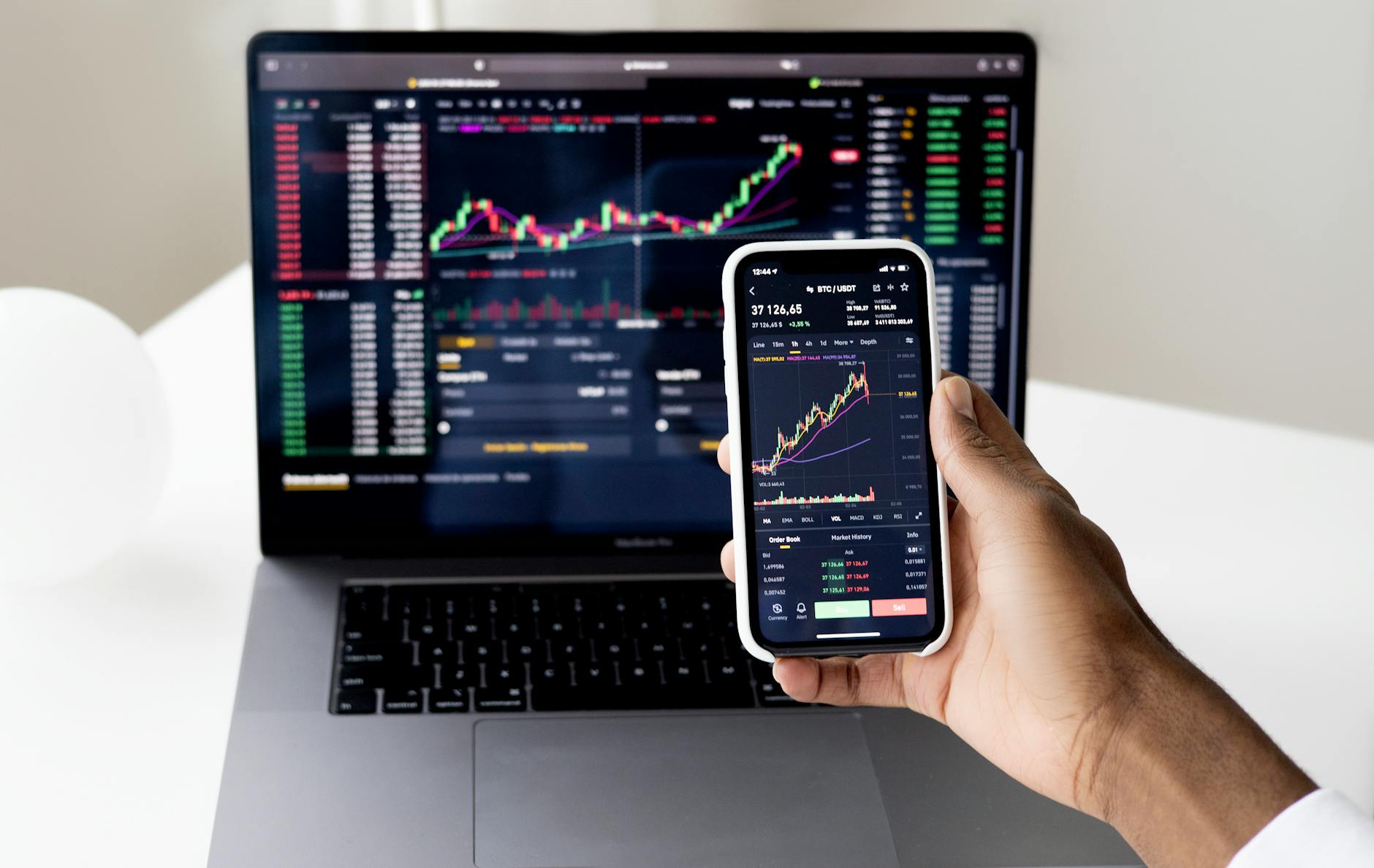
OKX's interface overwhelms new users with information density. The main dashboard displays spot prices, futures premiums, funding rates, and market sentiment indicators simultaneously. While comprehensive, this layout requires significant time investment to master effectively.
The trading terminal offers multiple view options: basic, intermediate, and professional. Basic mode simplifies the interface but removes essential tools like advanced order types and detailed charts. Professional mode provides complete functionality but demands extensive crypto trading knowledge to use effectively.
Mobile app functionality mirrors the desktop experience with responsive design optimization. The app maintains most desktop features while adapting to smaller screens through collapsible menus and swipe navigation. However, complex trading strategies remain challenging to execute on mobile devices.
Funding Your Account — Deposit Methods and Processing Times
OKX supports cryptocurrency deposits exclusively for most users, with fiat options limited to specific regions. Bitcoin, Ethereum, and USDT deposits typically confirm within 10-30 minutes depending on network congestion. The platform accepts deposits across multiple networks, including Ethereum, BSC, and Polygon.
Fiat deposit options include bank transfers and credit card purchases where legally permitted. Bank transfers carry no fees from OKX but incur standard banking charges. Credit card purchases include convenience fees ranging from 3-5% plus potential foreign transaction charges from your card issuer.
Minimum deposit amounts vary by cryptocurrency and network. Bitcoin deposits require 0.0005 BTC minimum, while stablecoin deposits start at $10 equivalent. These thresholds prevent dust transactions but may exclude users with smaller initial investments.
Executing Your First Trades
Spot trading on OKX follows standard market and limit order principles. Market orders execute immediately at current prices but may experience slippage during volatile periods. Limit orders provide price control but require patience for order fulfillment.
The platform's order types extend beyond basic market and limit orders. Stop-loss, take-profit, and trailing stop orders help manage risk automatically. Advanced users can utilize iceberg orders, time-weighted average price (TWAP) strategies, and algorithmic trading tools.
Trading pairs span major cryptocurrencies, emerging altcoins, and various stablecoins. Popular pairs like BTC/USDT and ETH/USDT offer the deepest liquidity and tightest spreads. Newer altcoin pairs may have wider spreads and limited order book depth.
Advanced Features — Derivatives and Margin Trading
OKX's derivatives platform includes perpetual swaps, quarterly futures, and options contracts. Perpetual swaps track spot prices through funding rate mechanisms, while quarterly futures have fixed expiration dates. Options provide additional hedging and speculation opportunities for sophisticated traders.
Margin trading amplifies both profits and losses through borrowed funds. OKX offers up to 125x leverage on certain cryptocurrency pairs, though such high leverage creates extreme liquidation risk. Conservative traders should limit leverage to 2-5x to maintain manageable risk levels.
The platform's risk management systems include automatic liquidation mechanisms and margin call notifications. When positions approach liquidation levels, the system sends alerts and may partially close positions to maintain account health. Understanding these mechanisms prevents unexpected position closures.
OKX Fee Structure — The Real Cost of Trading
OKX's fee structure appears competitive on the surface but contains hidden costs that accumulate over time. The platform uses a maker-taker model with fees ranging from 0.08% to 0.10% for spot trading, depending on your 30-day trading volume and OKB token holdings.
| Trading Volume (30-day) | Maker Fee | Taker Fee | OKB Discount |
|---|---|---|---|
| $0 - $50,000 | 0.08% | 0.10% | 25% reduction |
| $50,000 - $200,000 | 0.08% | 0.10% | 25% reduction |
| $200,000 - $750,000 | 0.06% | 0.08% | 25% reduction |
| $750,000 - $2,500,000 | 0.04% | 0.06% | 25% reduction |
| $2,500,000+ | 0.02% | 0.05% | 25% reduction |
Derivatives trading fees start at 0.02% for makers and 0.05% for takers, significantly lower than spot trading rates. However, funding rates on perpetual swaps can range from -0.75% to +0.75% every eight hours, potentially adding substantial costs for long-term positions.
Withdrawal fees vary dramatically by cryptocurrency and network. Bitcoin withdrawals cost 0.0004 BTC (approximately $16-32 depending on market prices), while Ethereum withdrawals range from 0.005 ETH to 0.01 ETH based on network congestion. These fees often exceed trading fees for smaller transactions.
Hidden Costs That Erode Profits
Funding rates represent the most significant hidden cost for derivatives traders. These rates adjust every eight hours based on the premium between perpetual swap prices and spot prices. During bull markets, funding rates often favor short positions, while bear markets typically benefit long positions.
Currency conversion fees apply when trading between different base currencies. Converting profits from altcoin trades back to Bitcoin or stablecoins incurs additional trading fees. Frequent conversions can significantly reduce overall returns, especially for smaller accounts.
Inactivity fees don't exist on OKX, unlike some competitors. However, the platform reserves the right to close dormant accounts after extended periods of inactivity. This policy primarily affects users who forget about small balances rather than active traders.
Fee Optimization Strategies
Holding OKB tokens provides fee discounts across all trading activities. The 25% reduction applies to both spot and derivatives trading, making OKB holdings worthwhile for frequent traders. However, OKB price volatility can offset fee savings if the token depreciates significantly.
Volume-based fee tiers reward high-frequency traders but disadvantage casual users. Reaching the first discount tier requires $200,000 in monthly volume, equivalent to approximately $6,700 daily trading. Most retail traders never achieve meaningful fee reductions through volume alone.
Timing withdrawals during low network congestion periods reduces blockchain fees. Bitcoin and Ethereum withdrawals cost significantly less during weekends and off-peak hours. Batching multiple withdrawals together also improves cost efficiency for users managing multiple wallets.
Security Architecture — How Safe Are Your Funds?
OKX employs industry-standard security measures including cold storage for 95% of user funds, multi-signature wallet architecture, and regular security audits. The platform has maintained a strong security record since its founding, with no major hacks affecting user funds in recent years.
Two-factor authentication (2FA) is mandatory for all accounts, with support for SMS, email, and authenticator apps. The platform strongly recommends authenticator apps over SMS due to SIM swapping vulnerabilities. Advanced users can enable hardware security key authentication for additional protection.
The platform's insurance fund provides additional protection against extreme market events and potential security breaches. This fund accumulates through trading fees and liquidation penalties, creating a buffer for unexpected losses. However, insurance coverage details remain limited in public documentation.
Account security features include IP whitelisting, device management, and withdrawal address management. Users can restrict account access to specific IP addresses and require manual approval for new devices. Withdrawal addresses must be pre-approved with a 24-hour waiting period for enhanced security.
Customer Support Quality and Response Times
OKX provides customer support through live chat, email tickets, and comprehensive FAQ sections. Live chat typically responds within 5-15 minutes during business hours, though complex technical issues may require escalation to specialized teams. The platform maintains 24/7 support availability for urgent account issues.
Support quality varies significantly between simple and complex inquiries. Basic questions about deposits, withdrawals, and account verification receive prompt, accurate responses. Advanced trading questions, API issues, and regulatory compliance matters often require multiple exchanges and extended resolution times.
The platform's educational resources include video tutorials, written guides, and webinar series. These materials cover basic cryptocurrency concepts, platform-specific features, and advanced trading strategies. However, the content quality varies, with some guides lacking depth for serious traders.
Community support through social media and forums provides additional assistance for common issues. Active user communities often resolve technical questions faster than official support channels. However, unofficial advice should be verified through official documentation to avoid security risks.
Regulatory Compliance and Geographic Restrictions
OKX operates under multiple regulatory frameworks depending on user location. The platform holds licenses in Malta, Estonia, and several other jurisdictions, though regulatory status continues evolving as crypto regulations mature globally.
United States residents cannot access OKX services due to regulatory restrictions. The platform actively blocks US IP addresses and terminates accounts discovered to belong to US persons. This restriction significantly limits the platform's global accessibility compared to competitors.
Know Your Customer (KYC) requirements vary by jurisdiction and account functionality. Basic trading requires minimal verification, while advanced features like high leverage and large withdrawal limits demand comprehensive documentation. The verification process can take several days for complex cases.
Tax reporting features remain limited compared to specialized crypto tax software. The platform provides basic transaction history and trade reports but lacks integration with popular tax preparation tools. Users requiring detailed tax documentation may need third-party solutions like comprehensive crypto tax software that actually simplifies compliance.
Mobile App Performance and Functionality
The OKX mobile app delivers comprehensive trading functionality with responsive design optimization. The app maintains most desktop features while adapting to touchscreen interfaces through intuitive navigation and gesture controls. However, complex trading strategies remain challenging to execute on smaller screens.
App performance varies by device specifications and network conditions. Modern smartphones with adequate RAM provide smooth operation, while older devices may experience lag during high-volatility periods. The app requires stable internet connectivity for real-time price updates and order execution.
Push notifications keep users informed about price movements, order fills, and account activities. Notification customization allows users to filter alerts based on importance and trading preferences. However, excessive notifications can become distracting for active traders managing multiple positions.
Offline functionality remains limited, as cryptocurrency trading requires real-time market data and order execution. The app caches basic account information and recent transaction history but cannot execute trades without internet connectivity. This limitation affects users in areas with unreliable network coverage.
Integration With External Tools and APIs
OKX provides comprehensive API access for algorithmic trading, portfolio management, and third-party integrations. The REST and WebSocket APIs support real-time market data, account management, and automated trading strategies. API documentation includes code examples and testing environments for developers.
Popular trading bots and portfolio trackers integrate directly with OKX through official APIs. Platforms like advanced trading automation systems can execute complex strategies across multiple markets simultaneously. However, API rate limits may restrict high-frequency trading strategies.
TradingView integration provides advanced charting capabilities and technical analysis tools. Users can execute trades directly from TradingView charts, streamlining the analysis-to-execution workflow. This integration particularly benefits technical analysts who rely on sophisticated charting tools.
Tax reporting integrations remain limited compared to specialized platforms. While OKX provides transaction exports in CSV format, users may need dedicated tools for comprehensive tax preparation. Consider specialized tax software alternatives for complex reporting requirements.
Comparison With Major Competitors
OKX competes directly with Binance, Bybit, and other major derivatives-focused exchanges. Compared to Binance, OKX offers similar trading pairs and leverage options but with less global accessibility due to geographic restrictions. Binance's larger user base provides deeper liquidity for most trading pairs.
Against Bybit, OKX provides more comprehensive spot trading options alongside derivatives functionality. The detailed OKX vs Bybit comparison reveals that Bybit focuses more narrowly on derivatives trading with slightly better funding rates, while OKX attempts to serve as a complete trading ecosystem.
Coinbase and Kraken target different user segments with emphasis on regulatory compliance and beginner-friendly interfaces. These mainstream exchanges sacrifice advanced trading features for regulatory certainty and simplified user experiences. OKX appeals more to sophisticated traders willing to navigate complex interfaces for advanced functionality.
Fee competitiveness varies by trading style and volume. High-volume traders may find better rates on OKX compared to mainstream exchanges, while casual traders often pay more due to complex fee structures. Low-fee exchange alternatives may provide better value for simple buy-and-hold strategies.
Who Should NOT Use OKX
Cryptocurrency beginners should avoid OKX due to its complex interface and advanced trading focus. The platform assumes significant prior knowledge of derivatives trading, margin mechanics, and risk management principles. New users often lose money quickly due to misunderstanding leverage and funding rate implications.
US residents cannot legally access OKX services and should not attempt to circumvent geographic restrictions through VPNs or other methods. Doing so violates the platform's terms of service and may result in account closure and fund confiscation. US-compliant alternatives provide legal access to crypto trading services.
Conservative investors focused on simple buy-and-hold strategies will find OKX unnecessarily complex and expensive. The platform's fee structure and features target active traders rather than long-term investors. Beginner-friendly exchanges offer simpler interfaces and more transparent fee structures for basic trading needs.
Users requiring extensive customer support should consider alternatives with better service reputations. OKX's support quality varies significantly, and complex issues often require extended resolution times. Traders who need immediate assistance during volatile market conditions may experience frustration with response delays.
Traders in heavily regulated jurisdictions may face ongoing compliance uncertainties as crypto regulations continue evolving. OKX's regulatory status varies by region, creating potential risks for users in jurisdictions where regulations change frequently. Understanding your local regulatory environment becomes crucial before committing significant funds.
Alternative Platforms Worth Considering
For derivatives trading with better US accessibility, consider compliant Bybit alternatives that serve American traders legally. These platforms provide similar functionality while maintaining regulatory compliance in restricted jurisdictions.
Spot trading alternatives include established exchanges like Kraken and Coinbase Pro, which offer regulatory clarity and institutional-grade security. Kraken's security-first approach appeals to users prioritizing fund safety over advanced trading features.
For comprehensive crypto management including tax reporting, consider platforms that integrate trading with portfolio tracking and compliance tools. Advanced portfolio management solutions provide holistic approaches to crypto investment management.
Decentralized exchanges offer an alternative to centralized platforms for users prioritizing privacy and self-custody. Leading DEX platforms provide trading functionality without KYC requirements, though with different liquidity and user experience trade-offs.
Final Verdict — Is OKX Right for Your Trading Strategy?
OKX serves advanced traders who need comprehensive derivatives functionality and can navigate complex fee structures. The platform excels at providing deep liquidity for futures trading and extensive altcoin selection. However, beginners and casual investors will find better value and user experience elsewhere.
The platform's geographic restrictions significantly limit its global accessibility, particularly excluding the large US market. This limitation affects network effects and overall liquidity compared to more globally accessible competitors.
Fee transparency issues create ongoing frustration for users who discover unexpected costs after committing to trades. While the platform offers competitive rates for high-volume traders, casual users often pay more than necessary due to complex fee structures and hidden funding costs.
Security measures meet industry standards, though the platform lacks the extensive insurance and regulatory compliance of mainstream alternatives. Users comfortable with moderate regulatory uncertainty may find OKX suitable, while those requiring maximum regulatory clarity should consider established alternatives.
Consider OKX if you're an experienced trader needing advanced derivatives functionality and can access the platform legally in your jurisdiction. Skip OKX if you're new to crypto trading, located in a restricted region, or prefer simple buy-and-hold investment strategies.
Frequently Asked Questions
Is OKX safe to use in 2026?
OKX maintains strong security practices including cold storage for 95% of funds, mandatory 2FA, and regular security audits. The platform has avoided major security breaches in recent years. However, regulatory uncertainties in some jurisdictions create additional risks beyond technical security measures.
Can US residents use OKX?
No, US residents cannot legally access OKX services. The platform actively blocks US IP addresses and terminates accounts belonging to US persons. Attempting to circumvent these restrictions violates terms of service and may result in account closure and fund confiscation.
What are OKX's trading fees?
Spot trading fees range from 0.08% to 0.10% for most users, with discounts available through high trading volume or OKB token holdings. Derivatives trading starts at 0.02% maker and 0.05% taker fees. However, funding rates and withdrawal fees can add significant additional costs.
Does OKX require KYC verification?
OKX allows limited trading without full KYC verification but requires complete identity verification for advanced features and higher withdrawal limits. The verification process typically takes 24-48 hours and requires government ID, proof of address, and facial recognition confirmation.
What cryptocurrencies can I trade on OKX?
OKX supports hundreds of cryptocurrency trading pairs including major coins like Bitcoin and Ethereum, popular altcoins, and emerging tokens. The platform regularly adds new listings and supports trading across multiple base currencies including USDT, USDC, and BTC.
How do I withdraw funds from OKX?
Withdrawals require cryptocurrency transfers to external wallets, with fiat withdrawal options limited to specific regions. Withdrawal fees vary by cryptocurrency and network, ranging from approximately $2 for stablecoins to $30+ for Bitcoin during high network congestion periods.
Does OKX offer customer support?
OKX provides 24/7 customer support through live chat, email tickets, and comprehensive FAQ sections. Response times typically range from 5-15 minutes for live chat, though complex technical issues may require escalation and longer resolution times.
Can I use OKX on mobile devices?
Yes, OKX offers mobile apps for iOS and Android with comprehensive trading functionality. The apps maintain most desktop features while optimizing for touchscreen interfaces, though complex trading strategies remain easier to execute on desktop platforms.
Financial Disclaimer: This review is for educational purposes only and should not be considered financial advice. Cryptocurrency trading involves substantial risk of loss and may not be suitable for all investors. Always conduct your own research and consider your financial situation before making investment decisions. Past performance does not guarantee future results.



Member discussion