18 min read

How to Buy Ethereum Safely and Efficiently in 2026
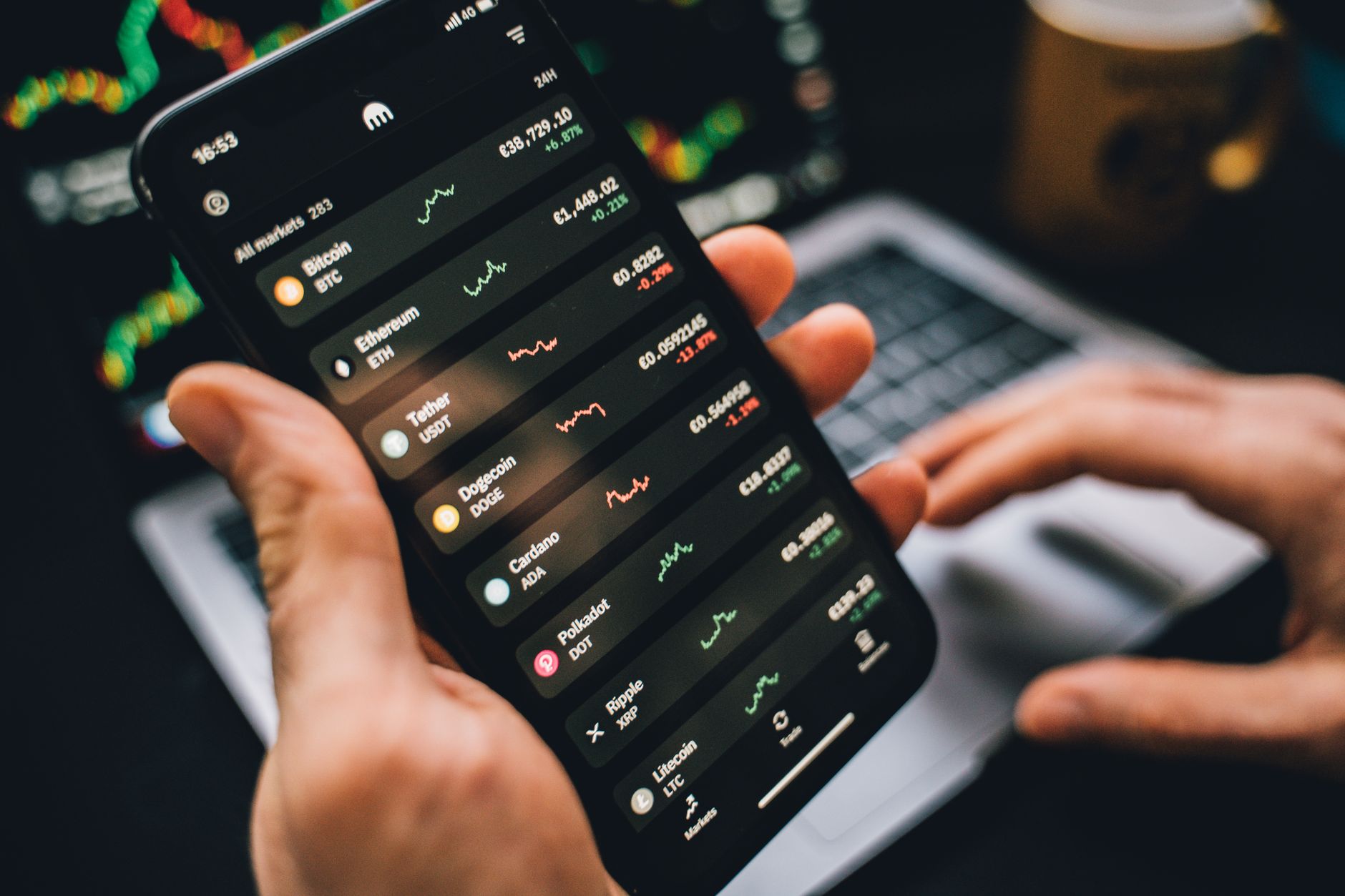
How to Buy Ethereum Safely and Efficiently in 2026

FTC Disclosure: This article may contain affiliate links. If you purchase through these links, we may earn a commission at no additional cost to you.

Picture this: You're scrolling through social media, watching friends share screenshots of their crypto gains, and you keep hearing about Ethereum everywhere. The fear of missing out gnaws at you, but every time you try to figure out how to actually buy some, you hit a wall of confusing exchange names, wallet addresses, and technical jargon that makes your head spin. Sound familiar?

You're not alone in this frustration. What surprised me during my exploration of crypto buying methods is how unnecessarily complicated most platforms make the process appear. The reality? Buying Ethereum in 2026 has become remarkably straightforward once you know which path to take.

How to Buy Ethereum Safely and Efficiently in 2026

Think of buying Ethereum like purchasing a rare collectible online. You need three things: a reputable marketplace (exchange), a secure payment method, and a safe place to store your purchase (wallet). The key difference? Your Ethereum purchase happens digitally, and the "storage location" determines whether you truly own your crypto or just have an IOU from an exchange.

In my experience testing various platforms throughout 2026, the most reliable path involves using a major exchange like Coinbase or Binance for the purchase, then immediately transferring your ETH to a hardware wallet like Ledger or Trezor for long-term security. This approach balances ease of purchase with actual ownership of your assets.

Essential Prerequisites Before You Start

Before jumping into any exchange, you'll need these fundamentals in place. Skip any of these, and you'll likely face delays or security issues later.

Identity Verification Documents

Every legitimate exchange requires Know Your Customer (KYC) verification. Have these ready:

  • Government-issued photo ID (driver's license or passport)
  • Proof of address (utility bill or bank statement from the last three months)
  • Clear smartphone camera for document photos
  • Social Security number (US residents)

Secure Payment Method

Your funding source determines both speed and fees. Bank transfers offer the lowest fees but take longer. Debit cards provide instant access but cost more. Credit cards work on some platforms but often carry cash advance fees from your bank.

Basic Security Setup

Enable two-factor authentication (2FA) on your email account before creating any exchange accounts. Use an authenticator app like Google Authenticator or Authy rather than SMS when possible. SMS can be intercepted, but authenticator apps generate codes locally on your device.

Storage Decision

Decide whether you'll keep ETH on the exchange (easier but riskier) or transfer to a personal wallet (more secure but requires learning wallet management). For amounts over $1,000, I strongly recommend a hardware wallet like Ledger Nano X or Trezor Model T.

Step-by-Step Ethereum Purchase Guide

Here's the exact process I use when helping newcomers buy their first ETH. Each step includes the context of why it matters for your security and success.

Step 1: Choose Your Exchange Platform

Your exchange choice affects everything from fees to security to available features. In 2026, these platforms stand out for different reasons:

Coinbase remains the most beginner-friendly option, with insurance coverage for funds held on the platform and a clean interface that doesn't overwhelm new users. The trade-off? Higher fees than most competitors, typically around 1.5% for standard purchases.

Binance offers the lowest fees (0.1% for trades) and supports the widest variety of payment methods globally. However, regulatory scrutiny in various countries means availability can change, and the interface can feel overwhelming initially.

Kraken provides excellent security features and reasonable fees (0.26% for market orders), plus strong customer support. The platform appeals to users who want more advanced features without Binance's complexity.

Context: Your exchange choice impacts not just immediate costs but long-term flexibility. If you plan to explore other cryptocurrencies later, starting with Binance or Kraken gives you more options. If you want simplicity and don't mind paying extra for peace of mind, Coinbase works well.

Step 2: Create and Verify Your Account

Account creation takes minutes, but verification can take anywhere from hours to several days depending on the platform and current demand.

Visit your chosen exchange's official website (never click links from emails or social media). Create an account using a strong, unique password and an email address you check regularly. Immediately enable two-factor authentication in your account settings.

Upload your verification documents clearly. Blurry photos or documents with glare cause delays. Take photos in good lighting, ensure all text is readable, and make sure your face is clearly visible in selfie verification steps.

Context: Verification delays often frustrate new buyers, especially during market rallies when everyone wants to buy at once. Starting this process before you're ready to purchase eliminates this bottleneck when you want to act quickly.

Step 3: Add Your Payment Method

Link your bank account, debit card, or other payment method through the exchange's secure payment portal. Bank transfers typically take 1-3 business days but offer the lowest fees. Debit cards provide instant funding but cost more.

For bank transfers, you'll need your routing number and account number. Some exchanges use third-party services like Plaid to connect your bank account securely without sharing your login credentials.

Context: Payment method affects both speed and cost. If you're planning a large purchase (over $10,000), bank transfers save significant money on fees. For smaller amounts or urgent purchases, the convenience fee for card payments might be worthwhile.

Step 4: Place Your Ethereum Order

Navigate to the buy/sell section and select Ethereum (ETH). You'll see two main order types:

Market orders execute immediately at current market prices. Use these when you want ETH right now and don't mind paying the current rate.

Limit orders only execute when ETH reaches your specified price. These work well if you think the price might drop and you're willing to wait.

Enter the amount you want to purchase (either in dollars or ETH). Review the total cost including fees before confirming. Most exchanges show a fee breakdown before you commit.

Context: Market timing matters, but not as much as newcomers think. Dollar-cost averaging (buying the same amount regularly regardless of price) often outperforms trying to time perfect entries, especially for long-term holders.

Step 5: Secure Your Ethereum

Once your purchase completes, you'll see ETH in your exchange account balance. Now comes the crucial decision: leave it on the exchange or transfer to your own wallet.

Leaving ETH on the exchange means the platform controls your private keys. You're trusting them with your assets, similar to keeping money in a bank. This works fine for small amounts or active trading, but exchanges can be hacked, frozen, or restricted.

Transferring to your own wallet means you control the private keys and truly own your ETH. The trade-off? You're responsible for wallet security and can't recover funds if you lose access.

Context: The "not your keys, not your crypto" principle exists because exchange failures happen. Even major platforms like FTX collapsed in 2022, taking user funds with them. For long-term holdings, self-custody through hardware wallets provides the highest security.

Platform Comparison for Ethereum Purchases

Exchange Trading Fees Payment Methods Verification Time Best For
Coinbase 1.49% spread + fees Bank, debit, PayPal 1-3 days Complete beginners
Binance 0.1% trading fee Bank, card, P2P 1-5 days Low fees, variety
Kraken 0.26% maker fee Bank wire, card 1-3 days Security-focused users
Bybit 0.1% spot trading Card, P2P, crypto 24-48 hours International users
OKX 0.1% maker fee Bank, card, P2P 1-2 days Advanced features

Critical Mistakes That Cost New Buyers Money

Through helping dozens of people buy their first ETH, I've seen the same expensive mistakes repeatedly. Avoid these to save both money and headaches.

Buying During FOMO Spikes

The worst time to buy is often when everyone's talking about crypto gains. Prices peak when mainstream media covers crypto rallies, and newcomers rush in at exactly the wrong moment. If you're hearing about Ethereum on the evening news, you're probably late to that particular rally.

Instead, set up your exchange account and complete verification during quiet periods. When you're ready to buy, you can act quickly without the pressure of rising prices.

Ignoring Network Fees

Ethereum's network charges gas fees for transactions, separate from exchange fees. These can range from a few dollars to over $50 during network congestion. Many newcomers don't realize they'll pay gas fees again when moving ETH from exchanges to personal wallets.

Check current gas fees at ETH Gas Station before making transfers. If fees are high, consider waiting for lower-traffic periods (typically weekends) or keeping smaller amounts on exchanges temporarily.

Falling for Fake Exchanges

Scammers create convincing fake exchange websites that steal login credentials and funds. Always type exchange URLs directly or use bookmarks. Never click links from emails, social media, or search ads claiming to be exchanges.

Verify you're on the correct site by checking the URL carefully (scammers use similar domains like "coinbase.co" instead of "coinbase.com") and looking for security indicators like SSL certificates.

Inadequate Backup Procedures

If you choose self-custody through hardware or software wallets, your seed phrase (recovery words) becomes critical. Write these words on paper and store copies in separate secure locations. Never store seed phrases digitally or share them with anyone.

Many people lose access to significant ETH holdings because they didn't properly back up their wallets or stored seed phrases insecurely.

Overcomplicating the Process

New buyers often research endlessly, trying to find the "perfect" exchange or "optimal" timing. While education matters, analysis paralysis prevents action. The difference between exchanges often matters less than actually getting started with a reputable platform.

Start with a well-known exchange, buy a small amount to learn the process, then optimize your approach based on experience rather than theory.

Wallet Setup and Security Best Practices

Your wallet choice determines whether you truly own your Ethereum or just have a claim on an exchange's holdings. Understanding this distinction is crucial for long-term crypto success.

Exchange Wallets vs Personal Wallets

Exchange wallets are custodial accounts where the platform holds your private keys. You access your ETH through your account login, similar to online banking. This convenience comes with counterparty risk – if the exchange fails, your funds could disappear.

Personal wallets give you direct control of private keys. You can access your ETH from any device using your seed phrase, and no company can freeze or restrict your funds. The responsibility for security falls entirely on you.

Hardware Wallet Recommendations

Ledger Nano X supports Ethereum and thousands of other cryptocurrencies, offers Bluetooth connectivity for mobile use, and provides secure chip technology. The device costs around $149 but protects against online threats by keeping private keys offline.

Trezor Model T features a touchscreen interface, supports extensive cryptocurrency options, and offers excellent security through open-source firmware. At approximately $219, it costs more but provides additional features for advanced users.

Both options require purchasing directly from manufacturers to avoid tampered devices. Never buy hardware wallets from third-party sellers or marketplaces.

Software Wallet Alternatives

For smaller amounts or users not ready for hardware wallets, reputable software options include:

MetaMask integrates seamlessly with Ethereum applications and decentralized exchanges. It's free, widely supported, but requires careful security practices since private keys stay on your device.

Trust Wallet offers mobile-first design with built-in DeFi features and supports multiple blockchains. Binance owns the platform, which provides credibility but creates some centralization concerns.

Wallet Security Protocols

Regardless of wallet type, follow these security practices:

  • Generate seed phrases offline and never enter them on websites
  • Store backup phrases on paper in multiple secure locations
  • Use strong, unique passwords for wallet software
  • Enable all available security features (PINs, passphrases, etc.)
  • Keep wallet software updated to the latest versions
  • Test recovery procedures with small amounts before storing large holdings

Understanding Ethereum Network Mechanics

Ethereum operates differently from traditional payment systems, and understanding these mechanics helps you make better decisions about timing and costs.

Gas Fees and Network Congestion

Every Ethereum transaction requires "gas" – computational power measured in Gwei (billionths of ETH). Network demand determines gas prices, creating variable transaction costs ranging from under $5 to over $100 during peak usage.

Gas fees affect two scenarios for new buyers: withdrawing ETH from exchanges to personal wallets, and later using ETH for DeFi activities or NFT purchases. Understanding current gas trends helps you time transfers efficiently.

Monitor gas prices at ETH Gas Station or similar services. Network activity typically decreases on weekends and during US overnight hours, often resulting in lower fees.

Transaction Confirmation Times

Ethereum blocks are mined approximately every 12-15 seconds, but transaction confirmation depends on gas fees paid and network congestion. Higher gas fees prioritize your transaction, while lower fees may cause delays during busy periods.

Most exchanges require multiple confirmations (typically 12-35 blocks) before crediting deposits, meaning ETH transfers can take several minutes to over an hour in extreme cases.

Address Formats and Compatibility

Ethereum addresses start with "0x" followed by 40 hexadecimal characters. These addresses work across all Ethereum-compatible wallets and exchanges, but double-check addresses before sending transactions – blockchain transfers are irreversible.

Some exchanges provide both Ethereum and other network options (like Binance Smart Chain) for ETH deposits. Always select the Ethereum network unless you specifically intend to use alternatives, as sending to wrong networks can result in permanent loss.

Advanced Purchase Strategies

Once you understand basic buying mechanics, these strategies can optimize your approach based on your goals and risk tolerance.

Dollar-Cost Averaging Implementation

Rather than making large lump-sum purchases, dollar-cost averaging involves buying fixed dollar amounts regularly regardless of price. This strategy reduces the impact of volatility and removes emotion from timing decisions.

Many exchanges offer automated recurring purchases. Set up weekly or monthly buys of $50, $100, or whatever amount fits your budget. Over time, you'll buy more ETH when prices are low and less when prices are high, potentially improving your average cost basis.

Limit Order Strategies

Advanced exchanges allow limit orders that only execute at specified prices. If ETH trades at $2,500 and you want to buy at $2,300, place a limit order and wait. Your order fills if the price drops to your target.

Limit orders work well for patient buyers who believe current prices are too high but don't want to miss opportunities if prices continue rising. The risk? Your order might never fill if prices move against your target.

Multi-Exchange Arbitrage Awareness

ETH prices can vary slightly between exchanges due to liquidity differences and trading volumes. While arbitrage opportunities exist, they're typically small and disappear quickly as automated trading bots exploit them.

For regular buyers, price differences between major exchanges rarely justify the complexity of managing multiple accounts. Focus on one primary platform with good security and reasonable fees rather than chasing minor price variations.

Regulatory Considerations in 2026

The regulatory landscape for cryptocurrency continues evolving, affecting how you can buy, hold, and use Ethereum depending on your location.

US Regulatory Framework

In the United States, Ethereum purchases are legal but subject to capital gains taxation when sold. The IRS treats cryptocurrency as property, meaning each sale or exchange creates a taxable event requiring cost basis tracking.

Major exchanges provide tax reporting tools and Form 1099s for significant traders, but you're responsible for accurate record-keeping. Consider using crypto tax software like CoinLedger or Koinly to track transactions automatically.

International Considerations

Cryptocurrency regulations vary significantly by country. Some nations embrace crypto adoption, while others restrict or ban certain activities. Before buying ETH, understand your local laws regarding:

  • Cryptocurrency ownership legality
  • Exchange licensing requirements
  • Tax obligations for crypto transactions
  • Reporting requirements for large holdings
  • Restrictions on certain trading activities

Exchange Compliance Requirements

Legitimate exchanges implement Anti-Money Laundering (AML) and Know Your Customer (KYC) procedures to comply with financial regulations. This means providing identification, proof of address, and sometimes source of funds documentation.

While these requirements add friction to the buying process, they also indicate the exchange operates legally and maintains proper safeguards against illicit activities.

Troubleshooting Common Purchase Issues

Even with careful preparation, technical issues and platform quirks can disrupt your buying experience. Here's how to resolve the most frequent problems.

Verification Delays and Rejections

If your identity verification takes longer than expected or gets rejected, common causes include:

  • Blurry or poorly lit document photos
  • Mismatched information between documents and account details
  • Using expired identification documents
  • High verification volume during market rallies

Resubmit with high-quality photos taken in good lighting. Ensure all text is clearly readable and your face is visible in selfie requirements. Contact customer support if delays exceed the platform's stated timeframes.

Payment Method Failures

Bank transfers and card payments can fail for various reasons:

Insufficient funds: Ensure your account balance covers both the purchase amount and any bank fees for international or unusual transactions.

Bank blocks: Many banks initially block cryptocurrency-related transactions as potential fraud. Call your bank to authorize these transactions before attempting purchases.

Daily limits: Banks and exchanges impose daily/monthly limits on crypto purchases. Check these limits and plan larger purchases across multiple days if necessary.

Geographic restrictions: Some payment processors don't support crypto purchases in certain regions. Try alternative payment methods or different exchanges if your primary option fails.

Network Congestion and High Fees

During periods of high network activity, Ethereum transactions become expensive and slow. If you need to move ETH during these times:

  • Check multiple fee estimation tools for current rates
  • Consider waiting for lower-activity periods if timing isn't critical
  • Use exchanges that batch withdrawals to reduce individual user costs
  • For small amounts, leaving ETH on reputable exchanges temporarily might be more economical than paying high transfer fees

Technical Support and Recovery

When problems arise, document everything: error messages, transaction IDs, timestamps, and steps taken. Most exchanges provide ticket-based support systems with varying response times.

For urgent issues involving significant funds, look for phone support or priority ticket options. Some platforms offer faster support for verified users or those holding platform tokens.

Long-Term Ethereum Holding Strategies

Successfully buying ETH is just the beginning. Your long-term approach affects both security and potential returns.

Storage Strategy Evolution

As your ETH holdings grow, your storage strategy should evolve accordingly:

Under $1,000: Reputable exchange storage or mobile wallets like MetaMask work fine. The convenience outweighs the small security risk for most users.

$1,000-$10,000: Consider hardware wallets for the majority of holdings while keeping small amounts on exchanges for potential trading or DeFi activities.

Over $10,000: Hardware wallets become essential, possibly with multi-signature setups or distributed storage across multiple devices for redundancy.

Portfolio Integration

Ethereum shouldn't exist in isolation within your broader investment strategy. Consider how ETH fits with your:

  • Overall risk tolerance and investment timeline
  • Traditional investment portfolio (stocks, bonds, real estate)
  • Other cryptocurrency holdings for diversification
  • Liquidity needs and emergency fund requirements

Many financial advisors now recommend cryptocurrency allocations between 1-10% of total investment portfolios, depending on individual circumstances and risk tolerance.

Staking Considerations

Ethereum's transition to Proof of Stake allows ETH holders to earn rewards by staking their tokens. This process involves locking ETH to help secure the network in exchange for additional ETH rewards.

Staking options include:

Direct staking: Requires 32 ETH and technical knowledge to run validator nodes. Most individual investors don't meet these requirements.

Staking pools: Platforms like Lido, Rocket Pool, and exchange staking services allow smaller amounts but introduce counterparty risk.

Exchange staking: Major platforms offer staking services with competitive rates but require trusting the exchange with your ETH long-term.

Market Analysis and Timing Considerations

While timing the market perfectly is impossible, understanding Ethereum's price dynamics can inform your buying strategy.

Cyclical Patterns and Seasonality

Cryptocurrency markets exhibit some recurring patterns, though these aren't guaranteed to continue:

Historically, crypto markets have shown four-year cycles roughly aligned with Bitcoin halving events. Ethereum often follows Bitcoin's broader trends while maintaining its own fundamental drivers.

Seasonal patterns sometimes emerge, with January often showing strength ("January effect") and summer months occasionally experiencing lower volumes and prices. However, these patterns can break down as markets mature and institutional adoption increases.

Fundamental Analysis Factors

Unlike traditional assets, Ethereum's value derives from network utility and adoption rather than cash flows or earnings. Key metrics to monitor include:

  • Network transaction volume and fees
  • Developer activity and protocol upgrades
  • DeFi total value locked (TVL) on Ethereum
  • Enterprise adoption and institutional investment
  • Regulatory developments affecting Ethereum's status

Risk Management Principles

Successful Ethereum investing requires acknowledging and managing inherent risks:

Volatility risk: ETH prices can swing dramatically in short periods. Only invest amounts you can afford to lose entirely.

Technology risk: Smart contract bugs, network failures, or successful competing platforms could affect Ethereum's value.

Regulatory risk: Government actions could restrict Ethereum use or trading in your jurisdiction.

Operational risk: Exchange hacks, wallet losses, or user errors can result in permanent fund loss.

Integration with DeFi and Web3 Ecosystem

Buying Ethereum opens doors to the broader decentralized finance (DeFi) and Web3 ecosystem, but these opportunities come with additional complexities and risks.

DeFi Protocol Interaction

Once you own ETH, you can participate in various DeFi protocols for lending, borrowing, trading, and earning yields. Popular platforms include:

Uniswap: Decentralized exchange for trading ETH and other tokens without intermediaries.

Aave: Lending protocol where you can earn interest on ETH deposits or borrow against ETH collateral.

Compound: Another lending platform with algorithmic interest rates based on supply and demand.

These protocols require connecting your wallet and interacting with smart contracts, introducing both opportunities and risks beyond simple ETH ownership.

Gas Optimization Strategies

Active DeFi participation requires understanding gas optimization:

  • Batch multiple transactions when possible to reduce total fees
  • Use gas price prediction tools to time transactions during lower-fee periods
  • Consider Layer 2 solutions like Arbitrum or Optimism for cheaper transactions
  • Factor gas costs into yield calculations – high fees can eliminate profits from small positions

Security Considerations for DeFi

DeFi protocols introduce additional security considerations beyond basic ETH storage:

Smart contract risk means bugs or exploits could drain funds from protocols. Research protocol audits and track records before depositing significant amounts.

Impermanent loss affects liquidity providers when token prices diverge from initial ratios. Understand these mechanics before providing liquidity to automated market makers.

Phishing attacks target DeFi users through fake websites and malicious transaction prompts. Always verify website URLs and transaction details before signing.

Tax Implications and Record Keeping

Proper tax planning and record keeping become crucial as your Ethereum activities expand beyond simple buying and holding.

Taxable Events and Reporting

In most jurisdictions, these activities create taxable events requiring reporting:

  • Selling ETH for fiat currency
  • Trading ETH for other cryptocurrencies
  • Using ETH to purchase goods or services
  • Receiving ETH as income (mining, staking, airdrops)
  • DeFi activities like yield farming or liquidity provision

Each event requires calculating gains or losses based on the difference between your cost basis and the fair market value at the time of the transaction.

Record Keeping Best Practices

Maintain detailed records of all cryptocurrency activities:

Purchase records: Date, amount, price, exchange used, and fees paid for each ETH purchase.

Transaction history: All transfers, trades, and uses of ETH with timestamps and values.

Wallet addresses: Track which addresses you control and their transaction history.

Cost basis tracking: Use FIFO, LIFO, or specific identification methods consistently.

Professional Tax Assistance

As cryptocurrency tax rules continue evolving, consider professional help for:

  • Complex DeFi activities with multiple protocols
  • Large portfolios with frequent trading
  • International tax obligations
  • Business use of cryptocurrency

Crypto-specialized tax professionals understand the nuances of blockchain transactions and can help optimize your tax strategy while ensuring compliance.

Future-Proofing Your Ethereum Strategy

The Ethereum ecosystem continues evolving rapidly, and successful long-term holders adapt their strategies accordingly.

Protocol Upgrade Awareness

Ethereum regularly implements protocol upgrades that can affect network functionality, fees, and token economics. Major upgrades like the merge to Proof of Stake fundamentally changed how the network operates.

Stay informed about upcoming upgrades through official Ethereum Foundation communications, developer calls, and reputable crypto news sources. Understanding these changes helps you anticipate impacts on your holdings and strategies.

Scaling Solution Integration

Layer 2 scaling solutions like Arbitrum, Optimism, and Polygon offer faster, cheaper transactions while maintaining Ethereum security. As these solutions mature, they're becoming essential for cost-effective DeFi participation.

Consider learning to bridge ETH to these networks for lower-cost transactions, but understand the trade-offs in terms of security assumptions and liquidity.

Competitive Landscape Monitoring

While Ethereum maintains the largest smart contract ecosystem, competitors like Solana, Avalanche, and newer chains continue innovating. Understanding the competitive landscape helps you make informed decisions about portfolio allocation and ecosystem participation.

This doesn't mean abandoning Ethereum, but rather understanding how different platforms might complement or compete with your ETH holdings over time.

Frequently Asked Questions

How much Ethereum should I buy as a beginner?

Start with an amount you can afford to lose completely – typically no more than 5-10% of your investment portfolio. Many beginners start with $100-500 to learn the process before making larger investments. The key is gaining experience with buying, storing, and potentially using ETH before committing significant funds.

Is it better to buy ETH all at once or gradually over time?

Dollar-cost averaging (buying fixed amounts regularly) typically works better than lump-sum purchases for most investors. This strategy reduces the impact of volatility and removes emotion from timing decisions. However, if you have strong conviction about current prices being attractive, lump-sum investing can work if you can handle the volatility.

Should I leave my ETH on the exchange or transfer to a wallet?

For amounts under $1,000, reputable exchanges like Coinbase or Kraken offer reasonable security. For larger amounts, hardware wallets like Ledger or Trezor provide better security since you control the private keys. The trade-off is convenience versus security – exchanges are easier to use, but self-custody gives you true ownership.

What's the difference between Ethereum and Ether?

Ethereum is the blockchain network and platform, while Ether (ETH) is the native cryptocurrency that powers the network. When you "buy Ethereum," you're actually buying Ether tokens. Think of Ethereum as the highway and Ether as the gas that powers vehicles on that highway.

Can I buy partial amounts of Ethereum?

Yes, you can buy fractions of ETH. Most exchanges allow purchases as small as $1-10 worth of Ethereum. You don't need to buy whole tokens – if ETH costs $2,500 and you invest $250, you'll own 0.1 ETH. This fractional ownership makes Ethereum accessible regardless of your budget.

How long does it take to buy Ethereum?

Account setup and verification can take 1-5 days depending on the exchange and verification volume. Once verified, purchases with debit cards are typically instant, while bank transfers take 1-3 business days. The actual ETH purchase transaction happens within minutes once your payment method is funded.

What are gas fees and why do they matter?

Gas fees are transaction costs for using the Ethereum network, separate from exchange fees. You'll pay gas fees when transferring ETH from exchanges to personal wallets or when using DeFi applications. These fees vary based on network congestion, ranging from a few dollars to over $50 during busy periods.

Is buying Ethereum legal in my country?

Ethereum is legal in most countries, but regulations vary. The United States, European Union, Canada, and most developed nations allow ETH purchases and ownership. However, some countries restrict or ban cryptocurrency activities. Check your local laws and ensure you use compliant exchanges available in your jurisdiction.

What happens if I lose access to my Ethereum wallet?

If you lose access to a self-custody wallet without proper backups, your ETH is permanently lost – there's no customer service to call. This is why seed phrase backups are critical. If you lose access to an exchange account, you can usually recover it through their customer support using identity verification.

Can I stake my Ethereum after buying it?

Yes, you can stake ETH to earn rewards for helping secure the network. Options include direct staking (requires 32 ETH and technical knowledge), staking pools like Lido or Rocket Pool (accept smaller amounts), or exchange staking services. Staking typically earns 3-6% annual rewards but involves locking up your ETH for extended periods.

How do I track my Ethereum investment performance?

Use portfolio tracking apps like CoinGecko, CoinMarketCap, or dedicated tools like Blockfolio or Delta. These apps track your purchase prices, current values, and overall performance. For tax purposes, consider specialized crypto tax software like CoinLedger or Koinly that automatically calculate gains and losses.

What's the minimum amount needed to start buying Ethereum?

Most exchanges allow ETH purchases starting at $1-10, though some payment methods have higher minimums. However, consider transaction fees when buying small amounts – a $5 purchase might incur $2-3 in fees, significantly impacting your returns. Starting with at least $50-100 makes fees more reasonable relative to your investment.

Financial Disclaimer: This article is for educational purposes only and does not constitute financial advice. Cryptocurrency investments carry significant risk, including potential total loss of capital. The value of Ethereum and other cryptocurrencies can be extremely volatile. Past performance does not guarantee future results. Always conduct your own research and consider consulting with qualified financial advisors before making investment decisions. Only invest amounts you can afford to lose entirely.